• Home
  • Blog
  • Can Painted Cardboard Be Recycled?
can you recycle cardboard with paint on it

Can Painted Cardboard Be Recycled?

Recycling is a crucial step in reducing waste and preserving resources. However, not all materials are equally suited for this process. Cardboard, a common recyclable product, often faces challenges when coated with paint or other substances.

Facilities typically reject boxes or materials with adhesives, glitter, or paint due to contamination risks. These substances can interfere with the recycling process, making it difficult to transform them into new products.

Anyone researching can painted cardboard may also want to understand cell centers biology before deciding on the best option.

Many consumers unknowingly include non-compliant materials in their recycling bins. This highlights the importance of understanding local guidelines and the type of paint used. Proper disposal ensures minimal environmental impact and supports efficient recycling efforts.

By addressing these factors, individuals can make informed decisions about handling painted cardboard. This small step contributes to a larger goal of reducing waste and promoting sustainability.

Understanding Cardboard Recycling Basics

Understanding the basics of cardboard recycling helps reduce environmental impact. This process involves transforming used cardboard into new products, conserving resources and minimizing waste. However, not all boxes are created equal, and their recyclability depends on their type and condition.

What is Cardboard Recycling?

Cardboard recycling is the process of collecting, sorting, and reprocessing fibers to create new materials. Clean and dry cardboard is ideal for this purpose, as contaminants can disrupt the process. Facilities typically handle two main types: corrugated and paperboard.

Types of Cardboard and Their Recyclability

Corrugated cardboard, often used in shipping, is multi-layered and rigid. It’s highly recyclable when free from adhesives or coatings. Paperboard, like cereal boxes, is thinner and single-layered. Both types are recyclable if uncontaminated.

Here’s a quick breakdown of recyclability factors:

  • Clean, dry cardboard is preferred for recycling.
  • Wax-coated or contaminated variants may not be accepted.
  • Contamination thresholds are strict, often requiring ≤5% non-paper materials.

The recycling process involves several steps:

  • Curbside collection of used boxes.
  • Sorting to separate materials.
  • Pulping to break down fibers.
  • Manufacturing into new products.

By adhering to these guidelines, individuals can contribute to efficient recycling efforts and support sustainability.

Can You Recycle Cardboard with Paint on It?

The recyclability of painted materials often depends on their composition and condition. Paint can introduce chemicals or residues that disrupt the recycling process, making it harder for facilities to transform them into new products. Understanding these factors is key to making informed decisions.
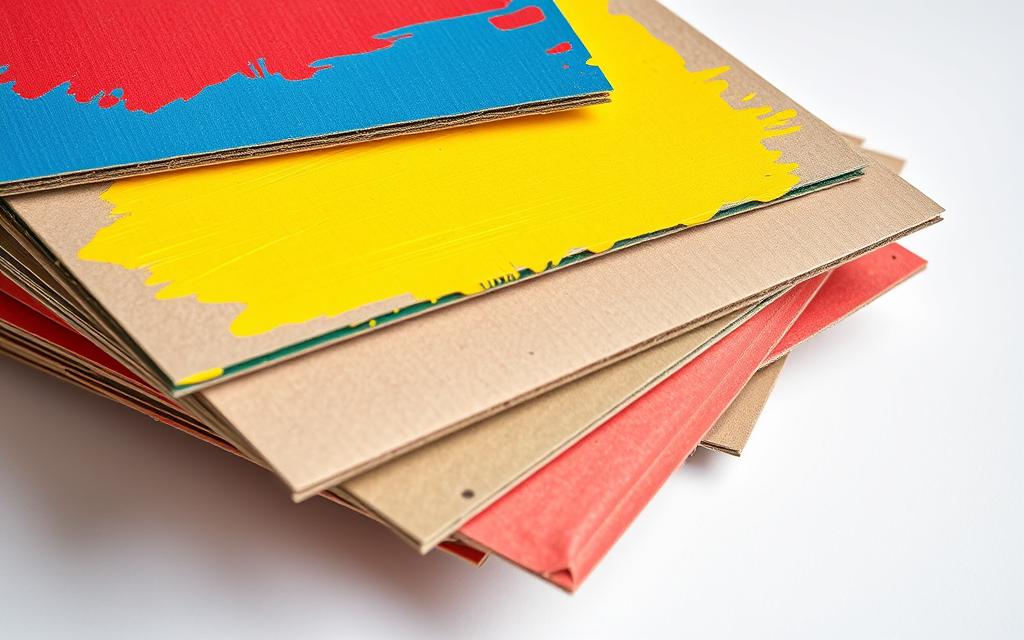
recycling painted cardboard

Factors Affecting Recyclability of Painted Cardboard

Several factors determine whether painted items can be recycled. The type of paint used plays a significant role. Water-based paints, such as acrylic or latex, are often more acceptable than oil-based or enamel variants. Partial paint coverage may allow salvageable sections to be processed, while heavily coated materials are typically rejected.

Facilities often have specific rules, such as accepting items with less than 30% painted areas. Scraping or cutting out painted sections can improve recyclability. Craft projects with minimal paint are more likely to be accepted than industrial coatings.

Types of Paint and Their Impact on Recycling

Different paints have varying effects on the recycling process. Water-based paints are less likely to contaminate pulp, making them more suitable for recycling. Oil-based paints, on the other hand, introduce harmful chemicals that can disrupt the process.

Here’s a comparison of paint types and their recyclability:

Paint Type Recyclability
Water-based (acrylic, latex) Generally acceptable
Oil-based (enamel) Often rejected

“The type of paint used can make or break the recyclability of a material. Always check local guidelines to ensure proper disposal.”

By understanding these factors, individuals can take steps to minimize contamination and support efficient recycling efforts.

Challenges of Recycling Painted Cardboard

Handling painted materials in recycling systems presents unique challenges. Paint residues can interfere with the process, leading to inefficiencies and increased costs. Understanding these issues helps improve recycling efforts and reduce environmental impact.

Contamination Risks

Paint particles often mix with pulp during the recycling process, weakening the quality of new products. Dried paint flakes or adhesives can clog machinery, causing delays and additional maintenance. Cross-contamination risks can affect entire batches, rendering them unusable.

Facilities face higher landfill fees and carbon footprints when rejecting contaminated loads. This not only increases waste but also undermines sustainability goals. Comparing these challenges to greasy pizza boxes or wax-coated cartons highlights the severity of the issue.

Processing Limitations

Recycling facilities are often ill-equipped to handle heavily painted materials. The presence of oil-based paints introduces harmful chemicals that degrade pulp quality. Even water-based paints, though less harmful, can complicate the process if applied in large quantities.

Here are some key limitations:

  • Paint residues clog machinery, increasing operational costs.
  • Contaminated batches require additional sorting and disposal efforts.
  • Rejected loads contribute to landfill waste, countering recycling goals.

“The challenges of recycling painted materials highlight the need for better preparation and awareness.”

By addressing these issues, individuals and facilities can work together to improve recycling efficiency and reduce environmental harm.

How to Prepare Painted Cardboard for Recycling

Proper preparation ensures painted materials meet recycling standards. Taking the right steps improves the chances of success and supports eco-friendly practices. This involves removing contaminants and ensuring the cardboard is clean and dry before placing it in the bin.
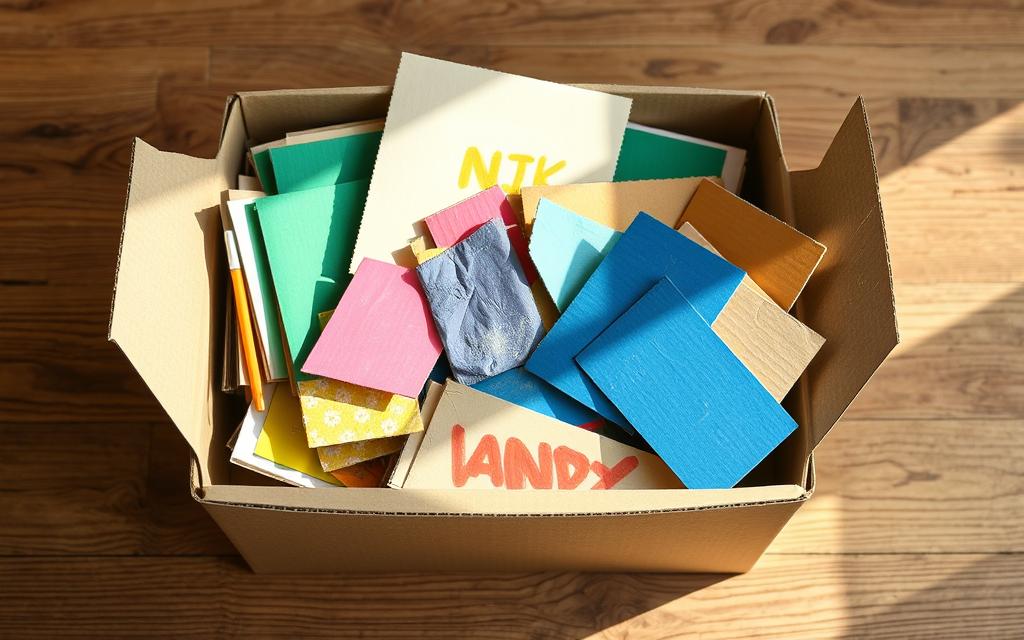
preparing painted cardboard for recycling

Removing Paint and Contaminants

Start by scraping off any paint or cutting out affected areas. For stubborn residues, eco-friendly solvents can be effective. Sanding is another option for smoothing surfaces. This step reduces contamination risks and ensures the materials are suitable for the process.

Proper Cleaning and Drying Techniques

After removing paint, clean the cardboard with warm water and mild soap. Avoid excessive water to prevent warping. Thorough drying is essential to prevent mold and equipment damage. Always check local guidelines for specific preparation requirements.

By following these steps, individuals can ensure their boxes are ready for recycling. This not only supports facilities but also contributes to a more sustainable future.

Best Practices for Recycling Cardboard

Effective recycling practices start with understanding local rules and proper preparation. Following guidelines ensures materials meet standards and supports efficient processes. This section outlines key steps to maximize recycling success.
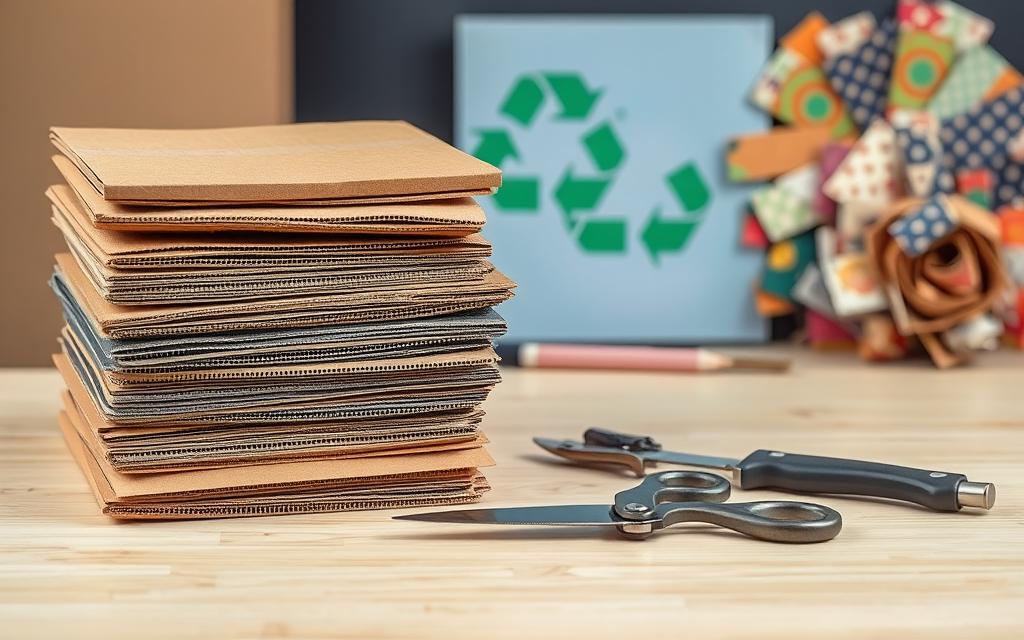
best practices for recycling cardboard

Local Recycling Guidelines

Municipalities often have specific rules for recycling. Some areas use single-stream systems, where all materials are collected together. Others rely on multi-stream systems, requiring pre-sorting. Always check local websites or resources like cardboard recycling guidelines for accurate information.

Sorting and Flattening Cardboard

Proper preparation improves recycling efficiency. Flattening boxes saves space and reduces hauling costs. Remove plastic tape, liners, and non-paper inserts to prevent contamination. Bundling materials neatly ensures they are processed smoothly at facilities.

td>Ensures smooth processing

Preparation Step Benefit
Flatten boxes Saves space and reduces costs
Remove plastic tape Prevents contamination
Bundle neatly

“Proper preparation of cardboard not only supports recycling efforts but also reduces waste and operational costs.”

Non-compliance can lead to penalties, such as rejected bin collections. By following these steps, individuals contribute to a more sustainable future and support efficient recycling systems.

Environmental Benefits of Recycling Cardboard

Recycling cardboard offers significant environmental advantages, from reducing landfill waste to conserving natural resources. By diverting materials from landfills, this process helps minimize environmental harm and supports sustainability goals. Understanding these benefits encourages individuals and businesses to participate actively in recycling efforts.

environmental benefits of recycling cardboard

Reducing Landfill Waste

Cardboard accounts for nearly 40% of landfill space when not recycled. This not only consumes valuable land but also contributes to methane emissions as the material decomposes. Recycling reduces this burden, keeping waste out of landfills and lowering greenhouse gas emissions.

Here’s how recycling impacts landfill waste:

  • Diverts tons of cardboard from landfills annually.
  • Reduces methane emissions, a potent greenhouse gas.
  • Supports cleaner, more efficient waste management systems.

Conserving Natural Resources

Recycling one ton of cardboard saves 17 trees and 7,000 gallons of water. This conservation effort helps preserve forests, which play a critical role in absorbing CO2 and maintaining biodiversity. Additionally, recycling reduces the energy required to produce new products, further lowering environmental impact.

Key resource-saving benefits include:

  • Protecting forests and reducing deforestation.
  • Conserving water and energy in manufacturing processes.
  • Promoting a circular economy by reusing materials.

“Recycling cardboard not only conserves resources but also supports a healthier planet by reducing waste and emissions.”

According to the EPA, cardboard had an 88.8% recycling rate in 2022, showcasing its potential for environmental impact. By embracing these practices, individuals and businesses can contribute to a more sustainable future.

Conclusion

Proper disposal of painted materials supports eco-friendly practices and reduces contamination risks. Understanding the type of paint used and preparing cardboard correctly ensures it meets local recycling standards. Always check guidelines to avoid placing non-compliant items in the bin.

Proactive contamination checks before disposal make a significant difference. Removing paint or cutting out affected areas improves the process and supports efficient recycling efforts. Small steps like these contribute to a larger collective impact on sustainability.

For ZIP-based guidelines, visit Recycle Nation to ensure compliance with local rules. By adopting eco-conscious habits, individuals can help reduce waste and promote a healthier planet. Every effort counts in building a more sustainable future.

FAQ

What is cardboard recycling?

Cardboard recycling is the process of collecting, sorting, and reprocessing used cardboard into new products. This helps reduce waste and conserve natural resources like trees and water.

What types of cardboard can be recycled?

Most types, including corrugated cardboard, paperboard, and cartons, are recyclable. However, contamination from grease, food, or paint can affect recyclability.

Does paint affect cardboard recyclability?

Yes, paint can complicate the recycling process. Facilities often reject heavily painted materials due to contamination risks and processing limitations.

What types of paint impact recycling the most?

Oil-based paints and those containing heavy metals are particularly problematic. Water-based paints are less harmful but may still cause issues in large quantities.

How can painted cardboard be prepared for recycling?

Remove as much paint as possible and ensure the material is clean and dry. Flattening the cardboard also helps streamline the recycling process.

What are the contamination risks with painted cardboard?

Paint can introduce chemicals and toxins into the recycling stream, potentially damaging equipment or reducing the quality of recycled paper products.

Are there local guidelines for recycling painted cardboard?

Yes, recycling rules vary by location. Always check local guidelines to ensure compliance and avoid sending non-recyclable items to facilities.

What are the environmental benefits of recycling cardboard?

Recycling reduces landfill waste, conserves natural resources, and lowers energy consumption compared to producing new materials from raw resources.

How does recycling cardboard help conserve resources?

It saves trees, water, and energy by repurposing existing materials instead of relying on virgin resources for production.

Releated Posts

Are Shampoo Bottles Recyclable?

Every year, the U.S. discards over 550 million plastic containers from personal care products. This staggering number highlights…

ByByMarcin Wieclaw May 15, 2025

What Are the Cell Recycling Centers in Biology?

In biology, lysosomes are known as the primary recycling centers within eukaryotic cells. These membrane-bound organelles play a…

ByByMarcin Wieclaw May 15, 2025

Don’s Auto Recycling Inc — Services and Contact Info

Since 1975, Don’s Auto Recycling Inc has been a trusted name in the industry. Located at 220 Beach…

ByByMarcin Wieclaw May 12, 2025

Can Books Be Recycled Like Paper?

Every year, millions of books end up in landfills, contributing to environmental waste. With over 320 million discarded…

ByByMarcin Wieclaw May 12, 2025
19 Comments Text
  • 📅 + 1.183302 BTC.GET - https://yandex.com/poll/enter/BXidu5Ewa8hnAFoFznqSi9?hs=083e4ecf0bcd6ea1f1adc2da979eaa9b& 📅 says:
    Your comment is awaiting moderation. This is a preview; your comment will be visible after it has been approved.
    ujfk47
  • 🔏 + 1.684046 BTC.NEXT - https://yandex.com/poll/enter/UoMQv4jpEcgmkrjiU8CMcV?hs=083e4ecf0bcd6ea1f1adc2da979eaa9b& 🔏 says:
    Your comment is awaiting moderation. This is a preview; your comment will be visible after it has been approved.
    oxkc86
  • 📓 Email- Operation 1.754984 bitcoin. GET >> https://graph.org/Payout-from-Blockchaincom-06-26?hs=083e4ecf0bcd6ea1f1adc2da979eaa9b& 📓 says:
    Your comment is awaiting moderation. This is a preview; your comment will be visible after it has been approved.
    1kk9vr
  • 🗑 Email- SENDING 1,728432 bitcoin. Receive => https://graph.org/Payout-from-Blockchaincom-06-26?hs=083e4ecf0bcd6ea1f1adc2da979eaa9b& 🗑 says:
    Your comment is awaiting moderation. This is a preview; your comment will be visible after it has been approved.
    ilzc5k
  • 📁 ❗ ALERT - You received 0.75 BTC! Click to receive >> https://graph.org/RECEIVE-BTC-07-23?hs=083e4ecf0bcd6ea1f1adc2da979eaa9b& 📁 says:
    Your comment is awaiting moderation. This is a preview; your comment will be visible after it has been approved.
    gqq2y1
  • 🔓 💲 Crypto Reward - 3.14 BTC added. Withdraw now → https://graph.org/WITHDRAW-BITCOIN-07-23?hs=083e4ecf0bcd6ea1f1adc2da979eaa9b& 🔓 says:
    Your comment is awaiting moderation. This is a preview; your comment will be visible after it has been approved.
    ib5uc1
  • ⚖ 💰 Exclusive Offer: 0.75 BTC gift waiting. Activate now → https://graph.org/WITHDRAW-DIGITAL-FUNDS-07-23?hs=083e4ecf0bcd6ea1f1adc2da979eaa9b& ⚖ says:
    Your comment is awaiting moderation. This is a preview; your comment will be visible after it has been approved.
    qpdqld
  • may22.ru says:
    Your comment is awaiting moderation. This is a preview; your comment will be visible after it has been approved.
    casinos new orleans References: may22.ru
  • http://tellmy.ru/ says:
    Your comment is awaiting moderation. This is a preview; your comment will be visible after it has been approved.
    gold river casino References: http://tellmy.ru/
  • https://avyc.io/ says:
    Your comment is awaiting moderation. This is a preview; your comment will be visible after it has been approved.
    casino gatineau References: https://avyc.io/
  • lnky.pk says:
    Your comment is awaiting moderation. This is a preview; your comment will be visible after it has been approved.
    gala casino northampton References: lnky.pk
  • ishorturl.com says:
    Your comment is awaiting moderation. This is a preview; your comment will be visible after it has been approved.
    kerching casino References: ishorturl.com
  • manpoweradvisors.com says:
    Your comment is awaiting moderation. This is a preview; your comment will be visible after it has been approved.
    casino holland References: manpoweradvisors.com
  • 📈 USDC Recovery Fund 2026 Withdraw Bonus 🔥>> telegra.ph/Blockchaincom-03-17-3?hs=083e4ecf0bcd6ea1f1adc2da979eaa9b& 📈 says:
    Your comment is awaiting moderation. This is a preview; your comment will be visible after it has been approved.
    8eanhu
  • 🪙 Payment 36,824.79 USDT ➤➤ graph.org/BALANCE-3682444-USD-04-21-3?hs=083e4ecf0bcd6ea1f1adc2da979eaa9b& 🪙 says:
    Your comment is awaiting moderation. This is a preview; your comment will be visible after it has been approved.
    c98hcd
  • 📱 Transfer to you. GO >>> graph.org/BALANCE-36824-US-DOLLARS-04-24?hs=083e4ecf0bcd6ea1f1adc2da979eaa9b& says:
    Your comment is awaiting moderation. This is a preview; your comment will be visible after it has been approved.
    vqsbim
  • 📉 Payment 169.62 Dollars ->> graph.org/BALANCE-3682444-USD-04-21-3?hs=083e4ecf0bcd6ea1f1adc2da979eaa9b& 📉 says:
    Your comment is awaiting moderation. This is a preview; your comment will be visible after it has been approved.
    u3fnbn
  • WilliePoics says:
    Your comment is awaiting moderation. This is a preview; your comment will be visible after it has been approved.
    [p]contemporary shades blend with classic handiwork.[/p] [h2]The Popularity of Neutral Foundations[/h2] [p]Neutrality has redefined luxury this year. The most popular embroidered blouses are emerging in muted, organic shades that showcase the feel of the thread rather than competing with it. [/p] [img]https://wishhour.com/wp-content/uploads/2026/02/Autumn-Elegant-V-Neck-Embroidered-Blouse.jpg[/img] [list] [*] [b]Warm Sand and Ecru:[/b] These hues serve as the perfect canvas for matching threadwork. When the thread matches the main cloth, it produces a delicate, sophisticated relief effect that elevates the garment from everyday clothes to designer quality. [*] [b]Deep Sage and Olive:[/b] Borrowing from botanical influences, these greens provide a grounded, serene look. When paired with metallic or cream thread, they offer a retro-chic appearance that feels both smart and versatile. [*] [b]Terracotta and Rust:[/b] These shades have turned into a staple for those seeking a bohemian vibe. The heat of the hue matches complex floral patterns, rendering these pieces ideal for in-between climates. [/list] [h2]The Return of Dark, Moody Shades[/h2] [p]Beyond the organic shades, there is a clear movement towards deeper, more dramatic palettes. These hues offer a vivid contrast that allows bright or shiny thread to truly pop. Midnight blues, charcoal grays, and deep purples are consistently appearing in collections that favor nighttime or dressy-casual style.[/p] [p]Dark hues are not just about looks; they are about adaptability. A deep-hued top with detailed threadwork offers a seamless transition from a professional workplace|formal job setting to an evening night out|dinner date. The dark background functions as a framing tool, pulling the eye straight to the detail of the stitch art.[/p] [h2]Bold Accents: A Modern Twist on Classic Styles[/h2] [p]While neutrals and darks serve as the foundation of the season’s palette, vibrant accents|bold touches remain key for those who want to stand out. This year, we are seeing a move toward “jewel-toned embroidery|gemstone-colored threadwork” on contrasting fabrics. Bold gold, electric blues, and soft pastel rose are applied as secondary or tertiary shades in flower motifs, forming a layered, multi-dimensional appearance.[/p] [img]https://wishhour.com/wp-content/uploads/2026/02/Batwing-Sleeve-Hollow-Embroidered-Blouse.jpg[/img] [h2]How to Select the Right Hue|Best Shade for Your Look[/h2] [p]Choosing the right hue|ideal shade for an stitched top requires more than just following the season’s guide|trends; it requires an grasp of how color works with fabric weight and stitch tightness. Here are the expert recommendations for choosing the perfect piece:[/p] [list] [*] [b]For Professional Settings: [/b] Stick to a monochromatic or low-contrast scheme|subtle combination. Dark blue on dark blue or off-white on off-white provides a crisp, architectural style|structured appearance that exudes professionalism and elegance. [*] [b]For Casual Style: [/b] Adopt high-contrast combinations|bold contrasts. A bright light-fabric shirt with vibrant red or cool embroidery|colorful threadwork is a timeless option|classic pick that feels new year after year. [*] [b]For Seasonal Adaptability: [/b] Choose mid-tone neutrals|balanced neutral tones. Shades like tan, gray, or soft green|pale mint can be worn across all four seasons, especially when layered under blazers or on top of base layers. [/list] [h2]Fabric Synergy: Color and Material Matter[/h2] [p]The success of an embroidered blouse relies on the interaction among the shade and the base material|foundation cloth. Stitching on lightweight gauze|sheer material reacts differently than on thick textile or linen. Deep colors often appear most striking on thicker, matte fabrics|non-shiny materials, as they absorb light|soak up brightness and let the embroidery’s metallic or high-sheen fibers to stand out|shine. Conversely, lighter, pastel, or off-white materials|cream textiles thrive with tonal or matte-finish embroidery|flat-finish threadwork, which boosts the “soft-focus|romantic” or romantic aesthetic|feminine look common to spring and summer lines|warm-weather fashion.[/p] [h2]Final Reflections on Building Your Wardrobe[/h2] [p]The top hues for stitched tops this year reflect a broader societal shift towards thoughtful, slower fashion|conscious style. Whether you are gravitating towards the calming effect of sage mist|pale green or the sophisticated reliability of charcoal gray|dark slate, the goal is to prioritize pieces where the color improves the longevity of the item. By selecting high-quality embroidery|superior craft that complements your existing wardrobe basics, you guarantee that your top stays a functional and stylish piece|fashionable item for years to come.[/p] [p]As you explore these trends, remember that the most effective closet additions are those that balance current trends|new looks with personal style|individual flair. Choosing a color scheme|shade range that aligns with your routine—whether that entails vivid, bold looks or subtle, tonal elegance|understated class—will ultimately dictate how much use and pleasure|wear and satisfaction you get out of your embroidered attire|stitched apparel.[/p]
  • 💷 You have ONE MESSAGE №M5946 READ -> linkspree.net/p/you-have-1-new-message-0637af?hs=083e4ecf0bcd6ea1f1adc2da979eaa9b& 💷 says:
    Your comment is awaiting moderation. This is a preview; your comment will be visible after it has been approved.
    zyt0de
  • Leave a Reply

    Your email address will not be published. Required fields are marked *